 USA (English)
 France (French)
 Japan (Japanese)
 USA (English)
 France (French)
 Japan (Japanese)
The Role of AI in Supply Chain and Logistics Optimization
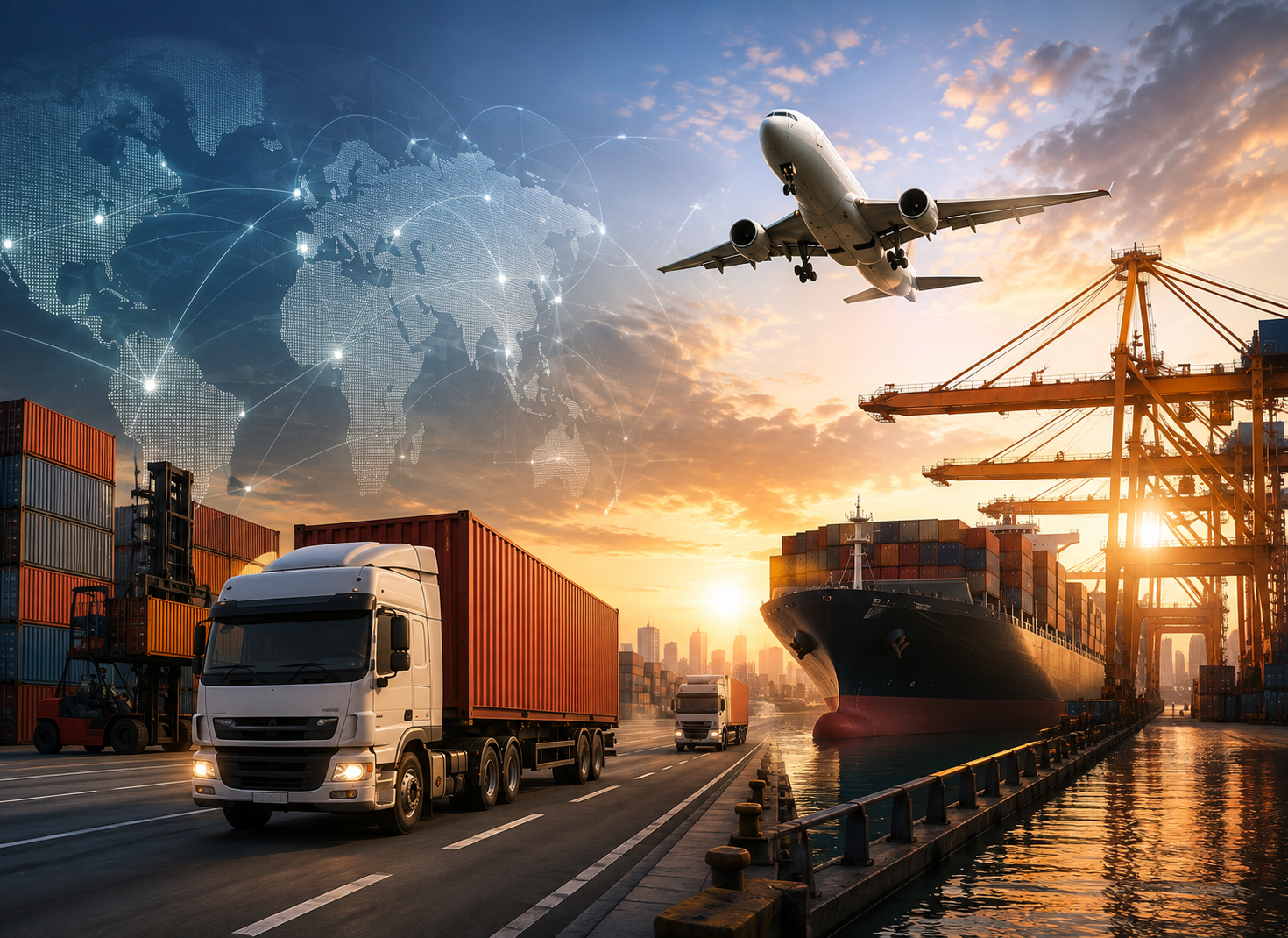
Managing a supply chain today is not an easy task. With global networks, unpredictable demand, and rising customer expectations, businesses are constantly switching between multiple moving parts. This is where artificial intelligence (AI) plays an important role by helping companies streamline operations, cut costs, and deliver better experiences.
Why Supply Chains Need a Smarter Approach
Think about how many steps are involved in getting a product from a factory to your doorstep. There is sourcing, manufacturing, warehousing, transportation, and delivery, each with its own set of challenges. Traditionally, these processes relied heavily on manual planning and reactive decision-making. But with AI, businesses can now make smarter, faster, and more informed choices.
Forecasting Demand Like a Pro
One of the toughest tasks in supply chain management is predicting demand. If orders are high in number, you’re stuck with excess inventory. If they’re low, you risk running out. AI helps solve this by analyzing historical data, market trends, and even external factors like weather or social media buzz, which can result in more accurate forecasts and fewer surprises.
Smarter Routes, Faster Deliveries
In logistics, AI-powered systems use real-time traffic updates, weather conditions, and delivery constraints to optimize routes. This means fewer delays, lower fuel costs, and happier customers. These systems will also learn over time, getting better with every delivery.
Warehouses that Think for Themselves
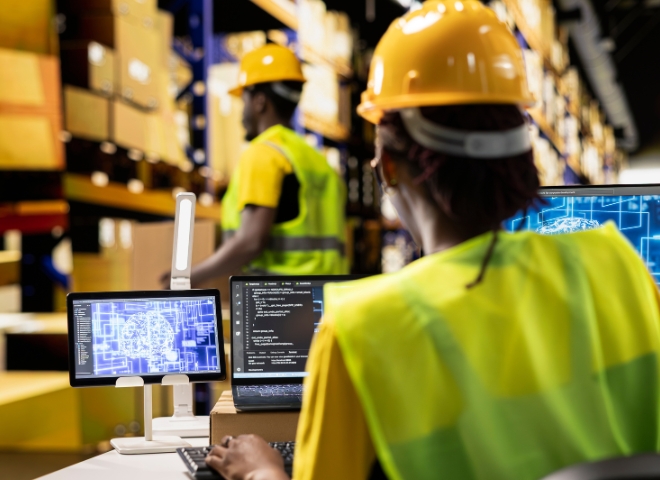
Warehouses are no longer just storage spaces but also intelligent hubs. With AI and robotics, tasks like picking, packing, and sorting are automated, reducing errors and speeding up operations. AI also helps design smarter layouts, ensuring that high-demand items are easier to access and inventory is managed more efficiently.
Preparing for the Unexpected
Supply chains are vulnerable to disruptions, whether it is a pandemic, a natural disaster, or a sudden spike in demand. AI helps companies stay one step ahead by identifying risks early and simulating different scenarios. This allows businesses to build contingency plans and respond quickly when things go off track.
Building Better Supplier Relationships
By analyzing supplier performance and contract data, AI helps businesses choose the right partners and negotiate better deals. It can even flag potential issues before they become problems, making supplier relationships more transparent and reliable.
Going Green with AI
Sustainability is no longer optional as it is a priority. AI helps companies reduce their environmental impact by optimizing transportation routes, minimizing waste, and suggesting eco-friendly alternatives.
What to Keep in Mind
Adopting AI is not without its challenges. It requires clean, integrated data and a willingness to embrace change. Companies also need to consider ethical issues like data privacy and algorithmic bias. But with the right approach, the benefits far outweigh the hurdles.
Businesses that invest in AI today are setting themselves up for long-term success in an increasingly complex world. AI is here to stay, and it is making supply chains better for everyone.