The many uses of skids in

Engineering

Executive Summary


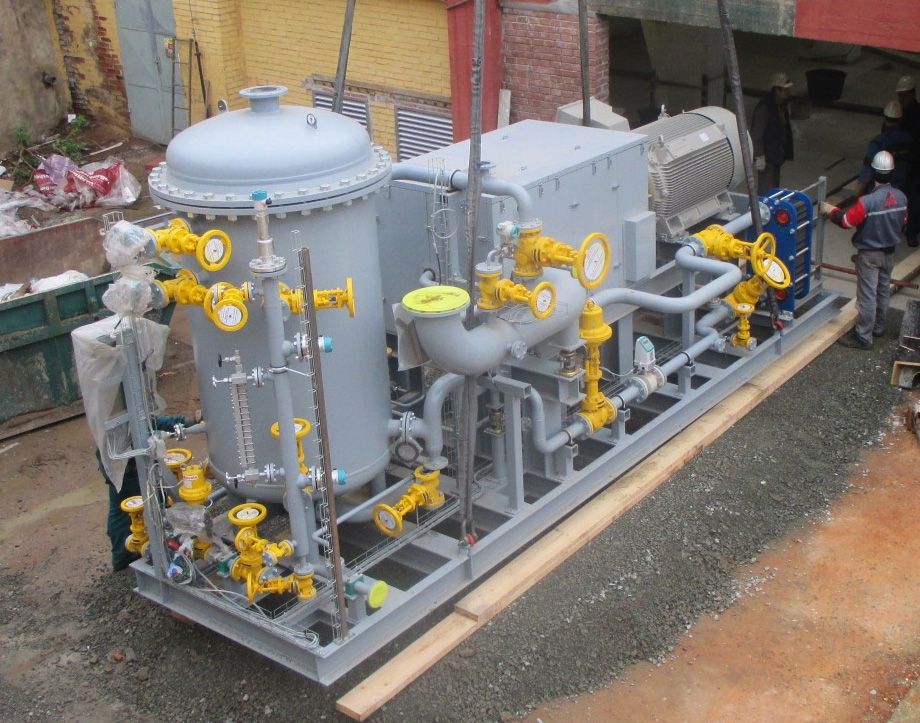
Skids are increasingly being used in engineering, specifically in the context of MODULAR PROCESS SKIDS. This involves designing and fabricating process units on a sturdy frame or skid for easy transport and installation. They are usually a self-contained process unit on one or more skid units. The skid can be a pallet design, a box design or sometimes a shipping container design.

A more detailed look at Skid Engineering

Some of the advantages of skid engineering are: -

  • Modular design – each skid is built as self-contained modules allowing for easy transport and also integration into larger process plants (Multi – skidding).

  • Off-site fabrication – the skid development is typically done in a controlled shop environment, leading to better quality control and consequently better safety habits when compared to on-site fabrication.

  • Testing and Commissioning – Skids can undergo rigorous testing before shipment, making sure that proper functionality and compliance with standards are adhered to.

  • Flexibility and scalability – Skids can be designed as a stand-alone unit or as part of a larger design using multiple skids and can be easily modified as process requirements change.

  • Customization – Skids can be easily customized to meet specific process needs and requirements.

Benefits of Skid Engineering


The benefits of skid engineering include: -

  • Reduced Construction Time – using pre-engineered and prefabricated materials lead to a faster project completion time.

  • Improved standards Control – Fabrication in a controlled environment ensures compliance to standards.

  • Enhanced Safety – On site disruptions are minimized and exposure to hazardous conditions are reduced.

  • Cost Savings – Labor costs are reduced and faster completion times can be achieved.

  • Flexibility and Adaptability – within the Skid, it is easier to modify, change or expand as process needs evolve.

Skid Design and Layout


Skids are designed to contain a complete system – be it a raw materials skid, a utilities skid and a processing skid, all of which work in conjunction to deliver the final product. One of their big advantages is that they can be built in a parallel construction in a factory environment while civil upgrades are completed at the plant site simultaneously. All skids have the following characteristics in common: -

  • Portable Design – being self-contained and built on or in a frame, skid systems are easier to transport than traditional process systems.

  • Reduced Footprint – Skid frames allow for equipment layering where piping, tanks, process equipment and their supports can fit into a smaller footprint.

  • Gathered Process Connections – connections can be gathered in one spot making plant connections easy.

  • Controlled Assembly – Skids are typically built in an offsite factory allowing existing operations to be unaffected.

  • FAT Testing – Factory acceptance testing (FAT) can be carried out prior to shipping the skid. This reduces the on-site startup time.

  • Accessible Layout – Multi skids can be placed around a central hallway allowing access to all major pieces of equipment.

the-power-of-active-listening-in-sales

FIG 1.

Key Considerations in Modular Skid Design


The design and fabrication of modular skid design requires extensive front end planning and material procurement. All design, procurement, integration and logistical issues should be resolved prior to construction commencing. An early planning phase can help all stakeholders avoid costly modifications and delays during the later stages of development.

Modular skid design requires careful layout planning and forward thinking in the early phases of capital project planning.

Ken Sipes, Director of Engineering for EPIC Systems, explained the cost benefits of fabricating skids off-site in a controlled shop environment.

“When labor is a limiting factor, you’re left with the same amount of work to be done with a smaller crew. That crew has to work more, which means paying premium overtime wages, as well as per diems and travel expenses. However, taking a modular approach can spread the work out geographically to where the workforce is readily available, lessening the impact of those costs.”

Modular Process Skid Design: Key Considerations


Aspect Description
Project Scope and Requirements Define the project's goals, capacity, and specifications while considering industry and environmental standards and modularization drivers and challenges.
Equipment and Material Selection and Sizing Choose equipment and materials that meet performance needs and fit the modular design.
Piping and Instrumentation Design for optimal fluid flow and process control, considering integration and accessibility.
Structural Design and Analysis Ensure structural integrity, safety, and compliance with codes and standards.
Electrical and Control System Design Integrate power supply, control systems, and instrumentation.
Safety and Environmental Incorporate safety features and meet regulatory requirements for a safe, sustainable operation.

FIG 2.

Several essential phases are involved in modular skid design and engineering ranging from preliminary phases and detailed design and engineering to procurement and fabrication, assembly and commissioning. Each step should be carried out by a qualified Engineering, Procurement and Construction (EPC) professional with significant design-building experience to ensure that the final product meets industry standards and operational requirements.

Conclusion


The idea of using skids is gaining traction throughout the entire engineering range. Whether it be for Oil & Gas, Chemical, mechanical, civil or electrical engineering, skids can be a gamechanger. They also have a role in aerospace, maritime and even sports equipment design to support safer and more efficient designs across all disciplines.

FIG 1. Module process skid Wikipedia

FIG 2. hm-ec.com/blog-posts/modular-process-skid-design

Richard-Black

Meet the Author

Richard Black - Senior Director Engineering Operations

Richard has been with Vee Technologies since 2017 rising into his title role in 2019. Previously he worked as Director of Operations for an aftermarket automotive company. In this role, his focus is providing customer support in the development and execution of technical designs for a diverse set of industries. The technical customer support provided, extends to Product, AEC, MEP, Oil & Gas, Structural and Home Building. While engaged with these industries, Design, FEA, Value Added Engineering, CFD, Trane trace, Ashrae and other tools are deployed by Engineering Operations. Richard has been contributing to the Industry for more than 20 years and employs a practical approach to design, problem solving and management. During his tenure in industry he has been awarded 5 design patents.