 USA (English)
 France (French)
 Japan (Japanese)
 USA (English)
 France (French)
 Japan (Japanese)

How BIM Keeps Designers Aligned with Real-Time Design Changes
Design teams no longer work in isolated silos in the present construction landscape. Every change, however minor, has the potential to affect the structural, mechanical, and architectural integrity of an entire project. Traditional 2D workflows often fail to capture these dynamic shifts in real time, leading to rework, cost overruns, and coordination conflicts. This is where Building Information Modeling (BIM) transforms collaboration into a connected, intelligent process that keeps designers aligned with every real-time design evolution.
A Unified Digital Environment
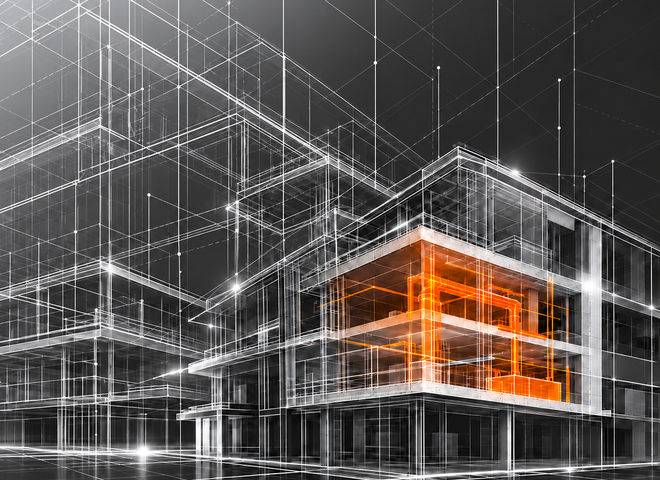
Building Information Modeling creates a shared digital environment where architects, engineers, and contractors collaborate within a single coordinated model. Each modification, whether it’s an adjustment in a structural beam, HVAC route, or facade detail, is reflected across all relevant disciplines instantly.
This unified visibility ensures that design teams work with the latest, most accurate information at all times. The result is not only fewer clashes but also faster design validation and approval cycles.
Real-Time Coordination Across Disciplines
One of the most powerful advantages of BIM lies in its real-time coordination capability. Design professionals can detect and resolve conflicts before they ever reach the construction site. Using intelligent 3D modeling, every stakeholder can visualize how their work integrates with others, from structural systems to electrical conduits and plumbing layouts. Such proactive detection of clashes eliminates uncertainty and promotes a culture of transparency among project partners.
Moreover, cloud-based BIM platforms enable multi-user access to the same project data. Whether a designer is in an office or on-site, model updates appear instantly, allowing simultaneous reviews and faster decision-making. This level of synchronization dramatically reduces design errors and ensures consistency across all project phases.
Enhanced Design Visualization
Designers often face challenges in communicating complex ideas to clients or contractors. BIM enhances visual understanding through detailed 3D representations that bring designs to life. Every layer from architectural forms to mechanical details can be explored interactively, ensuring all parties share a unified vision of the project. High-fidelity visualizations also empower stakeholders to evaluate design alternatives and make informed choices early, minimizing costly changes later in the process.
Clash Detection and Design Validation
Errors that go unnoticed during design can have costly implications during construction. BIM tools incorporate automated clash detection, scanning every element of the model to identify overlapping components or inconsistencies. Designers can visualize these conflicts in real time, assess their impact, and apply corrections before construction begins. Beyond spatial conflicts, BIM also enables design validation against predefined standards and performance parameters, ensuring every element aligns with safety, quality, and compliance norms.
Lifecycle Integration
A well-implemented BIM model goes beyond design coordination. It serves as a digital foundation for the entire lifecycle of a building from planning and construction to maintenance and renovation. Real-time design updates ensure that the model remains a living document, evolving as the project progresses. For facility managers, this continuous alignment offers immense value, enabling predictive maintenance, efficient asset management, and future upgrades with precise information at their fingertips.
Collaboration Without Boundaries
Modern BIM platforms eliminate geographical barriers, allowing global teams to collaborate seamlessly. Architects and Engineers from different regions can contribute to the same project environment, share model updates, and communicate through integrated platforms. This global collaboration fosters innovation, shortens design cycles, and ensures that the best minds work together regardless of location.
Integrated communication tools, review systems, and version control features further strengthen this collaborative approach. Every stakeholder can track revisions, document decisions, and maintain accountability throughout the project lifecycle. This transparency not only builds trust but also enhances overall project efficiency.
Streamlined Project Execution
Real-time BIM alignment extends its benefits well beyond design. Construction teams rely on updated models for accurate scheduling, resource allocation, and on-site coordination. Fabrication drawings and material details generated directly from the model eliminate discrepancies, ensuring precision in execution. The continuous feedback loop between design and field teams enhances responsiveness, minimizes downtime, and accelerates project delivery.
Empowering Teams with Intelligence and Agility
The success of any design process lies in how efficiently teams respond to change. BIM empowers designers with the agility to adapt without compromising quality. Every design adjustment automatically updates dependent systems, schedules, and cost parameters. Such automation not only saves time but also enhances accountability, as all stakeholders have access to the latest information at any given moment.
In a world where project timelines are shrinking and design complexity is rising, BIM ensures that collaboration remains intelligent, dynamic, and aligned. It keeps every designer connected to the pulse of real-time changes, ensuring that decisions are informed, coordinated, and transparent. The integration of intelligent data, visualization, and multi-disciplinary coordination makes BIM the backbone of modern design management.
BIM is harnessed not just as a tool but as a strategic enabler of precision, collaboration, and innovation at Vee Technologies. Through advanced modeling capabilities, real-time coordination, and lifecycle-based solutions, we empower AEC clients worldwide to transform design challenges into opportunities for efficiency and excellence.