 USA (English)
 France (French)
 Japan (Japanese)
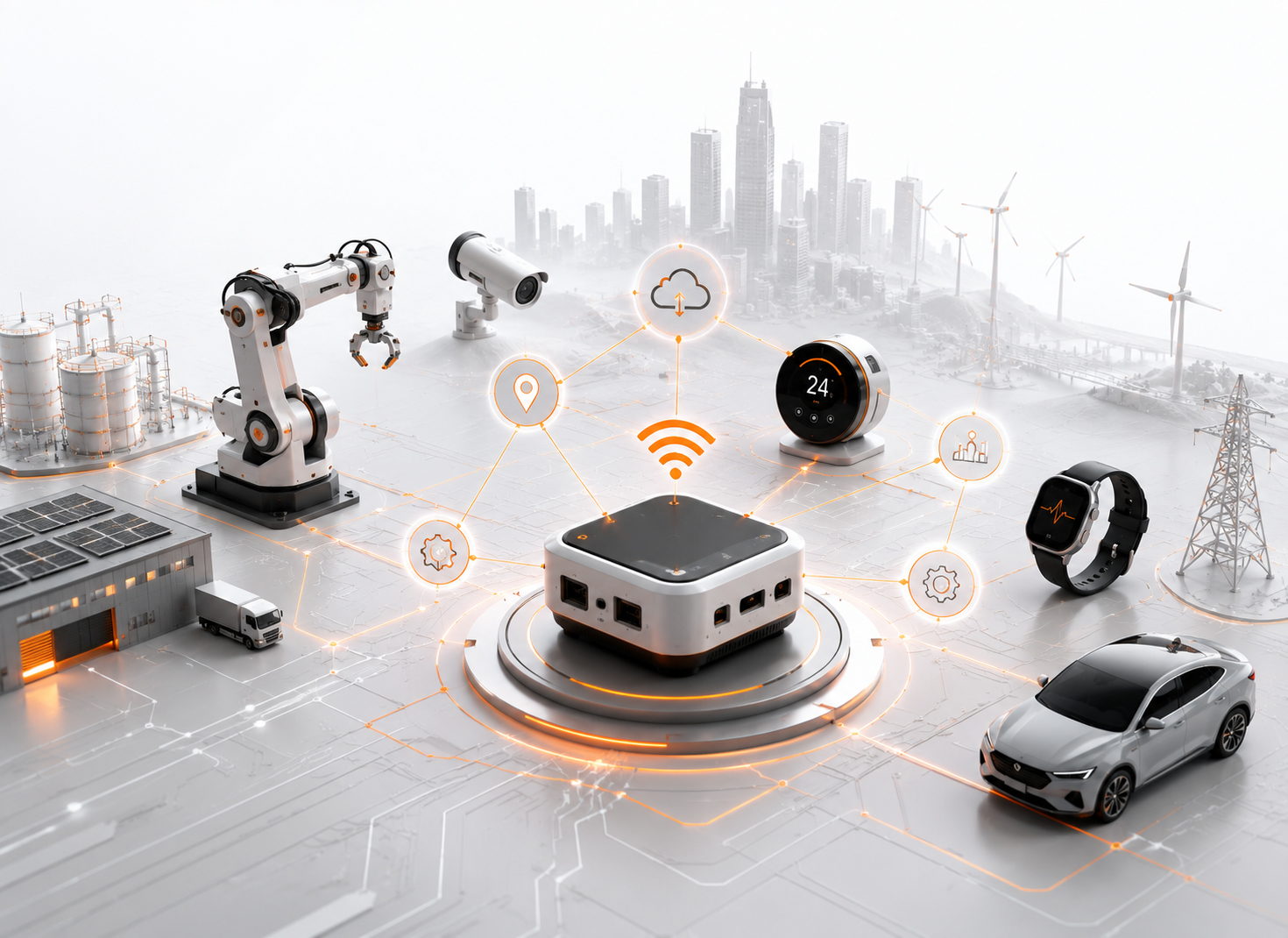
Connected technologies are reshaping how products are designed, monitored, and optimized across industries. Modern engineering demands not only mechanical precision and manufacturing efficiency but also intelligent connectivity that enables real-time data exchange and performance insights. IoT-driven product engineering addresses this need by embedding connectivity, analytics, and system intelligence directly into product architecture.
According to Statista, the number of connected IoT devices worldwide is projected to exceed 29 billion devices by 2030 , highlighting the growing importance of engineering products that can securely collect, exchange, and act on real-time operational data.
Vee Technologies' Product Engineering framework, spanning Product Engineering & Manufacturing, Project & Business Analytics, and Research & Development Consulting, supports the structured development of connected products while maintaining engineering rigor, manufacturability, and lifecycle performance.
IoT Integration in Product Engineering
IoT integration in product engineering begins at the design stage. Product architecture must accommodate sensors, communication interfaces, processing units, and data pathways without compromising mechanical reliability or regulatory compliance.
Engineering teams incorporate connectivity requirements into detailed design, system modeling, validation workflows, and broader digital engineering initiatives. Electrical engineering, embedded systems development, and product analysis align to ensure seamless integration between hardware and digital components. This structured approach prevents fragmentation between mechanical and electronic subsystems, enabling cohesive product functionality.
Manufacturability considerations remain central throughout integration. Designs are evaluated to ensure that connected components can be produced, assembled, and tested efficiently within established manufacturing frameworks.
Smart and Connected Product Development
Smart and connected product development requires coordinated engineering across multiple domains. Successful IoT product development depends on the seamless integration of mechanical systems, electronics, firmware, and data-processing capabilities.
Mechanical design, electronics, firmware, and data processing must function as a unified system rather than isolated modules.
Product Design & Analysis supports this integration through concept development, system-level design, prototyping, validation, and production support.
Functional testing ensures that connected features operate reliably under operational conditions. Performance evaluation confirms that connectivity enhances product value without affecting structural integrity or durability.
Industries such as automotive, heavy equipment, aerospace, industrial products, and medical devices are increasingly adopting industrial IoT capabilities to support monitoring, diagnostics, and performance optimization.
Embedded Systems and IoT
Embedded systems and IoT form the technical foundation of connected products and modern smart devices. Embedded hardware and firmware must be engineered to support real-time data acquisition, processing, and communication.
Definition: Embedded systems are specialized hardware and software components designed to perform dedicated functions within larger electronic or mechanical products.
Engineering teams focus on hardware-software integration, ensuring that sensors, controllers, and communication modules interact seamlessly. Firmware development supports stable device operation, efficient power management, and responsive system control.
Structured validation processes confirm compatibility across subsystems and ensure reliable performance across varying operational environments. The integration of embedded systems within broader product architecture reflects disciplined engineering practices rather than incremental add-ons.
Cloud, Edge, and Firmware Integration
Connected product performance depends on effective communication between connected devices and digital infrastructure. Cloud, edge, and firmware integration must be engineered cohesively to support data flow, processing efficiency, and operational responsiveness.
Firmware enables secure device-level functionality, while edge computing supports localized decision-making, reduced latency, and performance optimization. Cloud integration facilitates centralized monitoring, analytics, and product lifecycle management. Engineering oversight ensures that data pathways remain stable, scalable, and aligned with system requirements.
Definition: Edge computing refers to processing data closer to the source device rather than relying exclusively on centralized cloud infrastructure.
Project & Business Analytics services complement this integration by enabling evaluation of operational data, performance metrics, and lifecycle efficiency. Analytical insight supports informed engineering refinement and strategic decision-making.
Security and Scalability in IoT Products
IoT security and scalability are fundamental engineering considerations in connected products. According to IoT security best practices identified by IBM , protecting connected devices, communication pathways, and operational data is becoming increasingly important as connected ecosystems expand.
Connected systems must be designed with secure communication protocols, controlled access mechanisms, and reliable system architecture.
Engineering validation addresses system robustness and performance consistency as product deployments expand. Scalability planning ensures that connected solutions remain effective as user bases grow or operational demands increase.
Research & Development Consulting further strengthens IoT-driven innovation by supporting exploration of emerging technologies, advanced integration strategies, and system optimization techniques. Structured R&D initiatives enhance product resilience while aligning with long-term engineering objectives.
Engineering Intelligence into Connected Products
IoT-driven product engineering requires coordinated expertise across mechanical design, electrical engineering, embedded systems, analytics, and manufacturing alignment. Structured development processes ensure that connectivity enhances product value without introducing complexity or operational risk.
Definition: IoT-driven product engineering is the process of designing and developing products with embedded connectivity, sensors, processing capabilities, and data analytics to enable real-time monitoring and intelligent operation.
Vee Technologies’ integrated Engineering Services and Solutions model supports the development of secure, scalable, and performance-driven connected products. Through disciplined IoT integration in product engineering, comprehensive smart and connected product development, embedded systems and IoT expertise, and cloud, edge, and firmware integration, connected technologies are engineered with precision and lifecycle stability.
Intelligent connectivity becomes sustainable when supported by robust engineering foundations that enable continuous product innovation, long-term reliability, and scalable performance. Connected products built through structured product engineering deliver measurable operational insight, long-term reliability, and scalable performance aligned with evolving industry requirements.
FAQs
What is IoT-driven product engineering?
IoT-driven product engineering combines traditional product development with connectivity, embedded systems, analytics, and intelligent data exchange to create connected products capable of real-time monitoring and performance optimization.
What are the benefits of connected products?
Connected products provide enhanced visibility, predictive maintenance capabilities, remote diagnostics, operational efficiency, and data-driven decision-making throughout the product lifecycle.
How do embedded systems support IoT products?
Embedded systems manage sensor inputs, device communication, processing functions, and control operations that enable connected products to operate reliably and efficiently.
What is the role of edge computing in IoT solutions?
Edge computing processes data closer to the device, reducing latency, minimizing bandwidth requirements, and improving real-time responsiveness.
Why is scalability important in IoT product development?
Scalability ensures that connected products continue to perform effectively as the number of users, devices, and data volumes increases.