Additive Manufacturing (AM)

Beyond Prototyping

Executive Summary


Additive Manufacturing (AM), more commonly known as 3D printing, has come a long way from its early days as a prototyping tool for hobbyists and engineers. Once limited to plastic models and design mockups, AM is now entering a new era: producing real-world, high-performance components that meet demanding applications, structural standards, and industry certifications.

Today, industries like aerospace, automotive, healthcare, and energy are integrating AM into mainstream production—not just for prototypes, but for end-use parts that require strength, precision, and reliability. This white paper explores how AM has matured into a viable option for producing structural components, the materials enabling this transformation, and what it will likely mean for the future of manufacturing.

From Prototype to Production:
Additive Manufacturing’s Next Frontier


3D printing’s initial appeal was its speed and cost-effectiveness in prototyping. Engineers could iterate quickly, skipping expensive casting, forging, or machining steps during the design phase. But back then, plastics were the only game in town - great for models and prototyping, not for functional, load-bearing parts. That’s no longer the case.

Today, cutting-edge AM technologies are enabling the production of final parts from metals, ceramics, and advanced composites - materials once thought out of reach for 3D printing. These innovations are expanding AM’s role from experimental to essential, unlocking new applications where structural performance, durability, and compliance matter.

Key Benefits of Metal Additive Manufacturing:


Metals

  • Stainless Steel - Strong and corrosion-resistant; used in medical devices, automotive parts, and aerospace components.

  • Titanium – Lightweight with a high strength-to-weight ratio; ideal for aerospace and medical implants.

  • Aluminum – Used extensively in automotive and aerospace for lightweight structural parts.

  • Inconel – A superalloy built for extreme temperatures, often found in aerospace engines.

  • Cobalt-Chrome – Tough and biocompatible; perfect for medical and dental applications.

  • Copper – Valued for conductivity; used in heat exchangers and electrical parts.

  • Tool Steel – Durable and hard; used in mold and die making.

Ceramics
  • Alumina (Aluminum Oxide) - Wear-resistant and heat-tolerant; ideal for heat exchangers.

  • Zirconia – Tough and fracture-resistant; common in dental implants.

  • Silicon Carbide – Extremely hard and heat-resistant; used in aerospace and automotive.

Composites
  • Carbon Fiber-Reinforced Polymers - Ultra-light and strong; used in aerospace and motorsports.

  • Glass Fiber-Reinforced Polymers – Heat stable and strong; found in structural applications.

  • Aramid Fiber (Kevlar) Composites – High tensile strength; ideal for military and impact-resistant gear.

A critical component when engineering a particular part from any of the above materials is the material’s mechanical properties, such as its tensile strength, yield strength, ductility, elasticity, fatigue resistance….etc. Reaching the required mechanical properties with AM can be challenging. But after incorporating required processes, parts produced by AM can provide resulting products with mechanical properties like products produced using conventional methods, reaching yield strengths as high as 200ksi for titanium Ti6Al4V.

How Does Metal Additive Manufacturing Work?


Metal AM builds parts layer by layer from powdered metal, guided by a digital 3D CADD file. Unlike traditional methods that cut material away, AM adds only what’s needed. Therefore, minimizing waste and enabling incredibly complex designs.

The process typically involves:
  • Design -A 3D CADD model is sliced into layers.

  • Material Fusion – Lasers, electron beams, or binders fuse the metal powder followed by sintering. Sintering is typically a furnace heating operation to fuse the powdered layers together.

  • Post-Processing – Parts often undergo heat treatment, machining, and surface finishing to meet specified requirements.

The result? High-strength, intricate components can be produced without molds, dies, or possibly additional machining operations.

Where Is AM Making a Difference Today?


  • Aerospace - Engineers are printing lighter, more efficient engine parts and turbine blades with built-in cooling channels - improving fuel economy and part life.

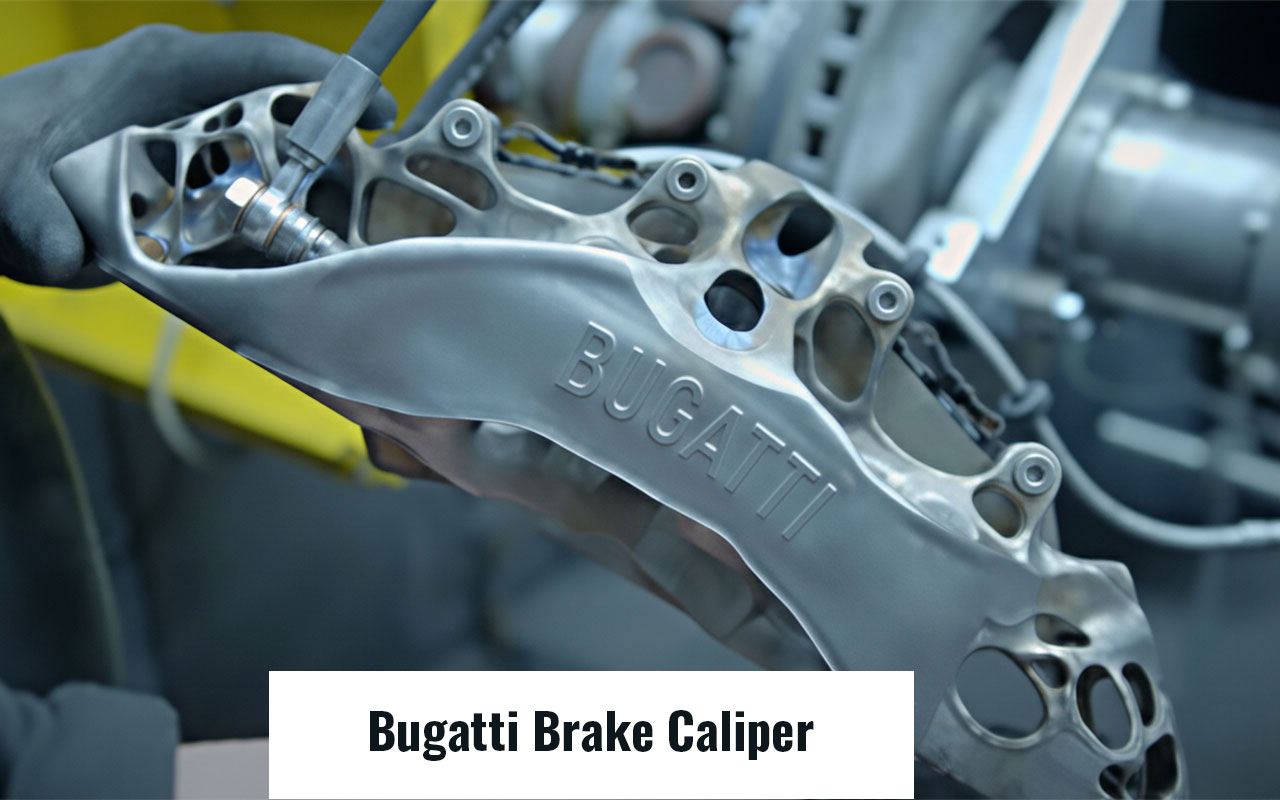
  • Automotive – High-performance automakers like Bugatti use titanium AM for ultra-light brake calipers. Racing teams print customized tools, fixtures, and performance parts on demand, increasing strength and reducing weight.

  • Medical – Surgeons are using titanium implants tailored to each patient’s anatomy. Custom hip replacements and spinal implants are becoming more common, along with 3D-printed surgical tools.

  • Energy – AM-produced heat exchangers and turbine components can handle extreme conditions, improving efficiency and longevity. Wind energy systems also currently benefiting from lightweight and optimized parts.

  • Manufacturing – Custom jigs, molds, and tools are now printed with internal cooling systems, significantly reducing cycle times in injection molding.

the-power-of-active-listening-in-sales

the-power-of-active-listening-in-sales

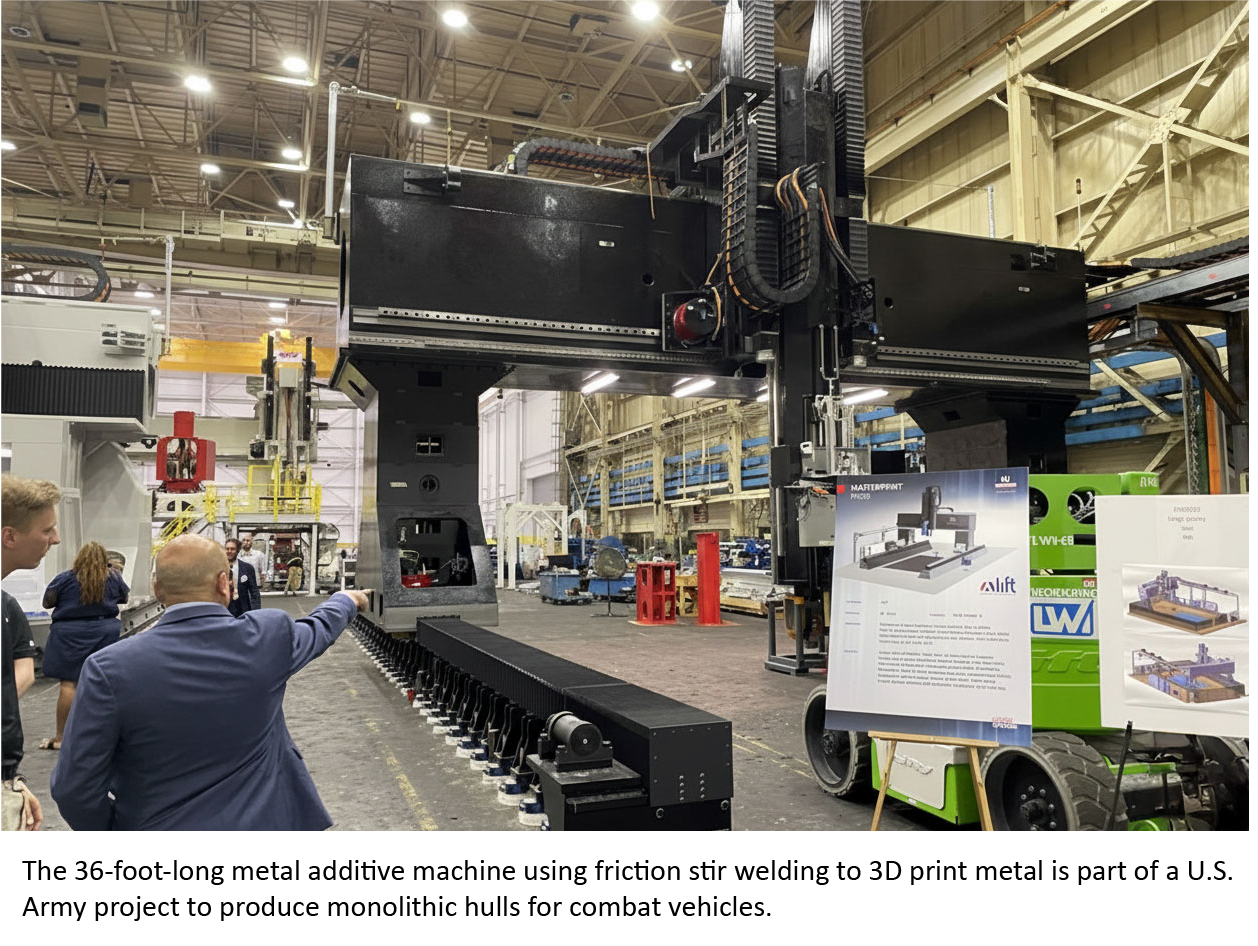
The size of component capability is also increasing. Ingersoll, in Rockford, Illinois, recently held a grand opening of their new facility. Among the machines on display was the company’s MasterPrint Metal, believed to be the world’s largest metal additive manufacturing machine which also incorporates product milling capabilities. The machine has a working envelope for both additive manufacturing and machining of 36’x23’x13’. It prints in metal using a friction stir welding metal deposition system.

Materials That Matter: Unlocking Structural Potential


Advancements in AM machines and processes now allow printing with a wide range of structural materials. Here's a closer look at what's possible today:

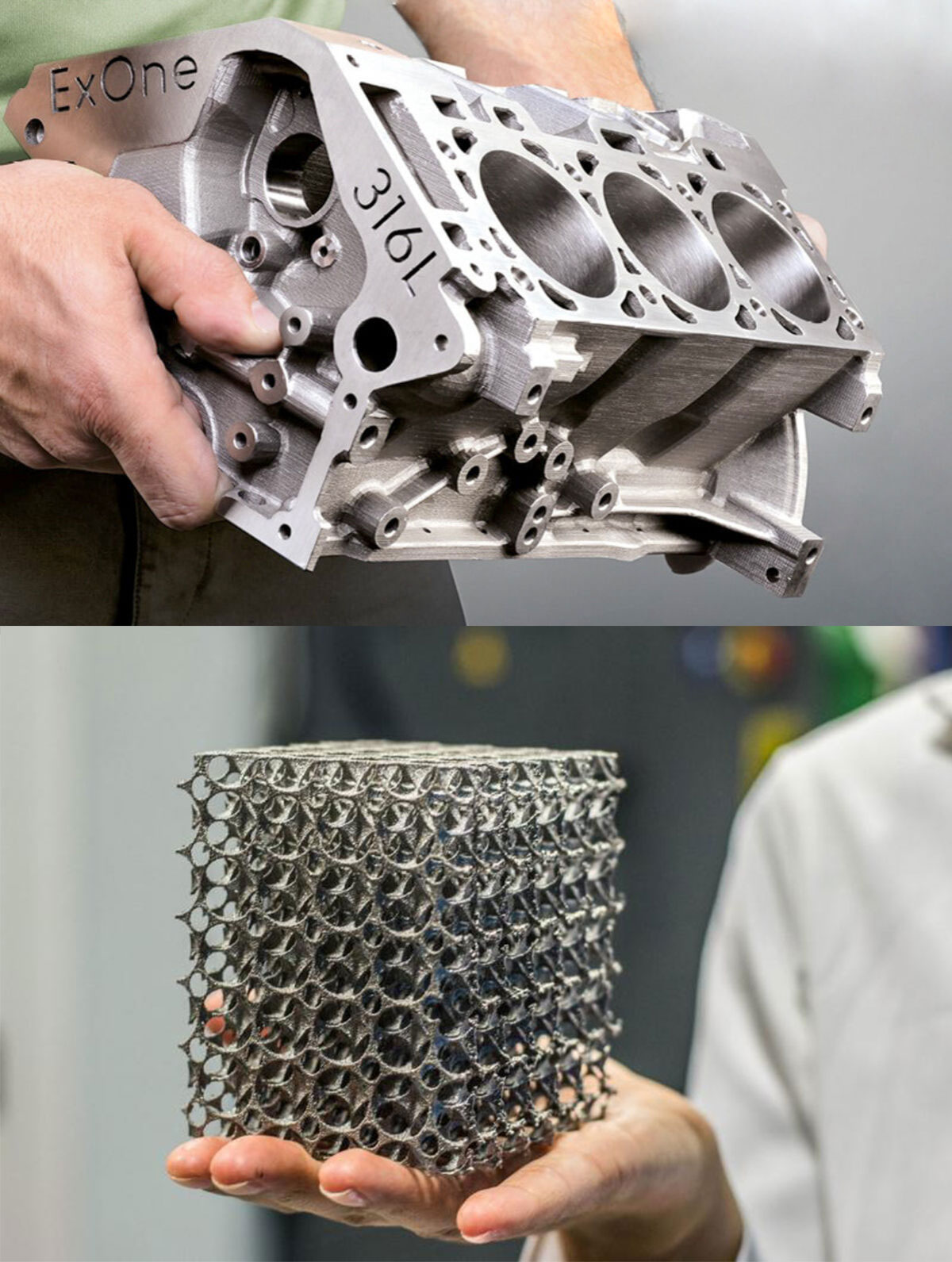
  • Design Freedom - Engineers can create products with internal channels, lattice structures, and internal cavities that are impossible with traditional methods.

  • Material Efficiency – AM uses just the material needed - reducing waste by up to 90% and supporting sustainable manufacturing practices that require less energy, reducing carbon footprints, and ultimately reducing cost.

  • Speed and Agility – Rapid production without custom tooling enables fast iteration, short lead times, and cost-effective low-volume runs.

  • Part Consolidation – Instead of assembling multiple components, AM allows parts to be printed as a single, unified structure - reducing failure points, improving performance, and reducing welding and assembly costs.

  • Supply Chain Reduction – Implementing AM capabilities can enable a manufacturer to be more vertically integrated, reducing dependency and risk for critical components due to supply chain disruptions. The result can be shortened production lead times.

the-power-of-active-listening-in-sales

What Are the Challenges?


While very promising, metal AM still faces several hurdles:
  • High Costs - Equipment, materials, and skilled labor can still be very expensive.

  • Limited Throughput – AM isn’t yet optimized for mass production. Traditional methods still dominate where high volume is critical.

  • Quality Control – Industry standards are still evolving. Critical applications require extensive testing, inspection, and certification. Verifiable repeatability is still challenging.

  • Surface Finishing – Many times post machining operations are required to reach the required surface finishes, increasing the cost of the finished product.

Looking Ahead: The Future of Metal AM

The pace of innovation in Additive Manufacturing is accelerating. Emerging trends like machine learning, AI-driven process control, and faster printing systems are solving many of today’s pain points. As costs fall and certification protocols mature, metal AM will likely move from a niche to the norm. As previously mentioned, AM machine manufacturers are starting to combine post machining capabilities along with the machine’s AM capabilities.

What should companies do now?

Start small. Focus on high-value parts that benefit from complexity, customization, or weight reduction. Train teams, run pilot projects, and build company knowledge and awareness.

Conclusion: A New Era for Manufacturing

Additive manufacturing is no longer just a prototyping tool - it’s becoming a certified, production-grade process for structural parts across critical industries. Companies that embrace this shift early will gain not only operational flexibility but also a competitive edge. As trust in Additive Manufacturing grows, so too does its potential to redefine how we design and build parts for tomorrow’s most demanding, and even higher volume, applications.

Resources:

  • https://www.popsci.com/bugatti-chiron-3d-printed-titanium-brakes/#:~:text=Bugatti's%20titanium%20brake%20caliper%20is,shapes%20that%20are%20lighter%20still.
  • https://www.additivemanufacturing.media/articles/worlds-largest-metal-3d-printer-seen-at-ingersoll-grand-opening-event
  • https://www.army.mil/article/247076/gvsc_awards_contract_to_build_largest_metal_3d_printer_ever
  • https://bigrep.com/posts/what-is-metal-additive-manufacturing/#:~:text=pushing%20technical%20boundaries.-,1.,making%20a%20great%20leap%20forward.
  • https://www.youtube.com/watch?v=xM36RpcgcQc
  • https://www.youtube.com/watch?v=NkMRzpobmQQ
  • https://www.metaltechnews.com/story/2022/07/27/tech-bytes/metal-3d-printing-the-next-industrial-age/1018.html

White Paper – Addere Additive Manufacturing / Revolutionizing Manufacturing: The Impact of Additive Manufacturing on Cost, Efficiency, and the Future

Reid-Wissler

Meet the Author

Reid Wissler - Senior Design Engineer

Reid Wissler brings over 37 years of expertise in product development, manufacturing engineering, and project management. Since joining Vee Technologies in 2023, he has focused on engineering innovation, leading product development for aerial ladders and work platforms, and improving manufacturing processes. With a deep understanding of hydraulic systems and strategic product management, Reid is instrumental in driving efficiency and productivity for clients. His vast industry experience positions him as a key leader in Vee Technologies' engineering services.

Ready To Start?

Connect with our experts for tailored solutions to your most urgent business challenges.

Get in Touch

Looking For a Job?

Ready to grow your career? Join a global team that values innovation, impact, and individual growth.

View Open Role